A Timeline History of St Leonards-On-Sea

A timeline history of St Leonards-on-Sea with prints, photographs, maps and films. Click on images to enlarge.
St Leonards Bars
St Leonards Cafes
St Leonards Food Shops
St Leonards Music
St Leonards Property
St Leonards Restaurants
St Leonards Shops
Kings Road Guide
London Road guide
Norman Road Guide





 |
|---|
Medieval St Leonards
c. 1428 St Leonard's Church demolished (site now occupied by Norman Road Methodist Church)
Georgian St Leonards
1808 Martello Tower No 38 built to west of Hastings (later St Leonards) during Napoleonic wars. Gone by 1870s.
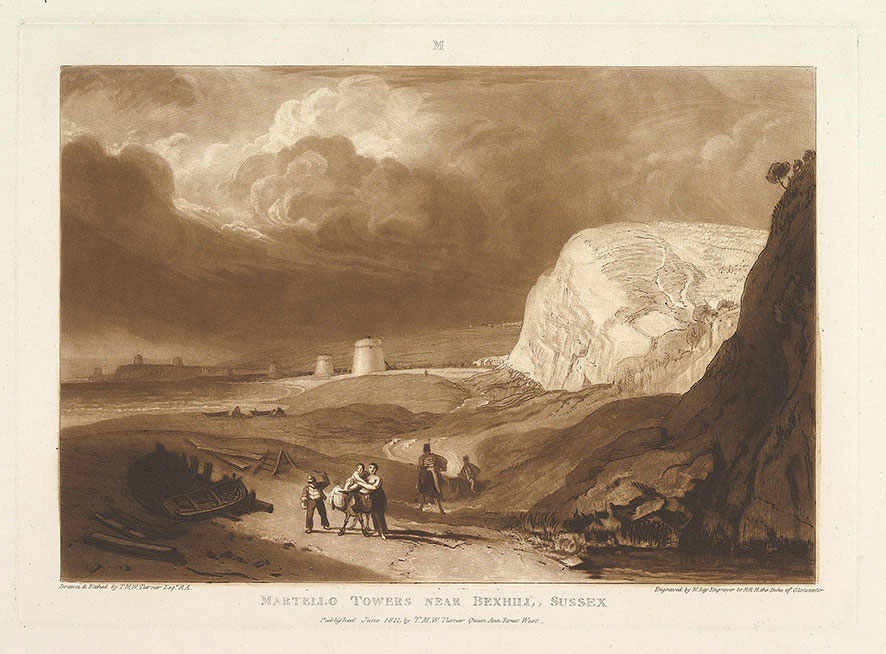
1811 Martello Towers Near Bexhill, Sussex. Engraving by engraved by William Say from an etching by J. M. W. Turner, looking towards Bexhill and the Martello Towers.
Regency St Leonards
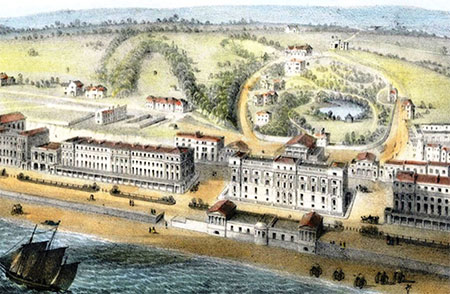
1827 London developer James Burton (1761-1837) planned to develop a resort on a deserted stretch of coastline between Hastings and the Bulverhythe Marshes. Bought section of Gensing farm from Eversfield estate for £7,800. The land purchased consisted of a coastal strip stretching for about three quarters of a mile and at its centre half a mile inland up a wooded valley known as the Old Woman’s Tap Shaw.
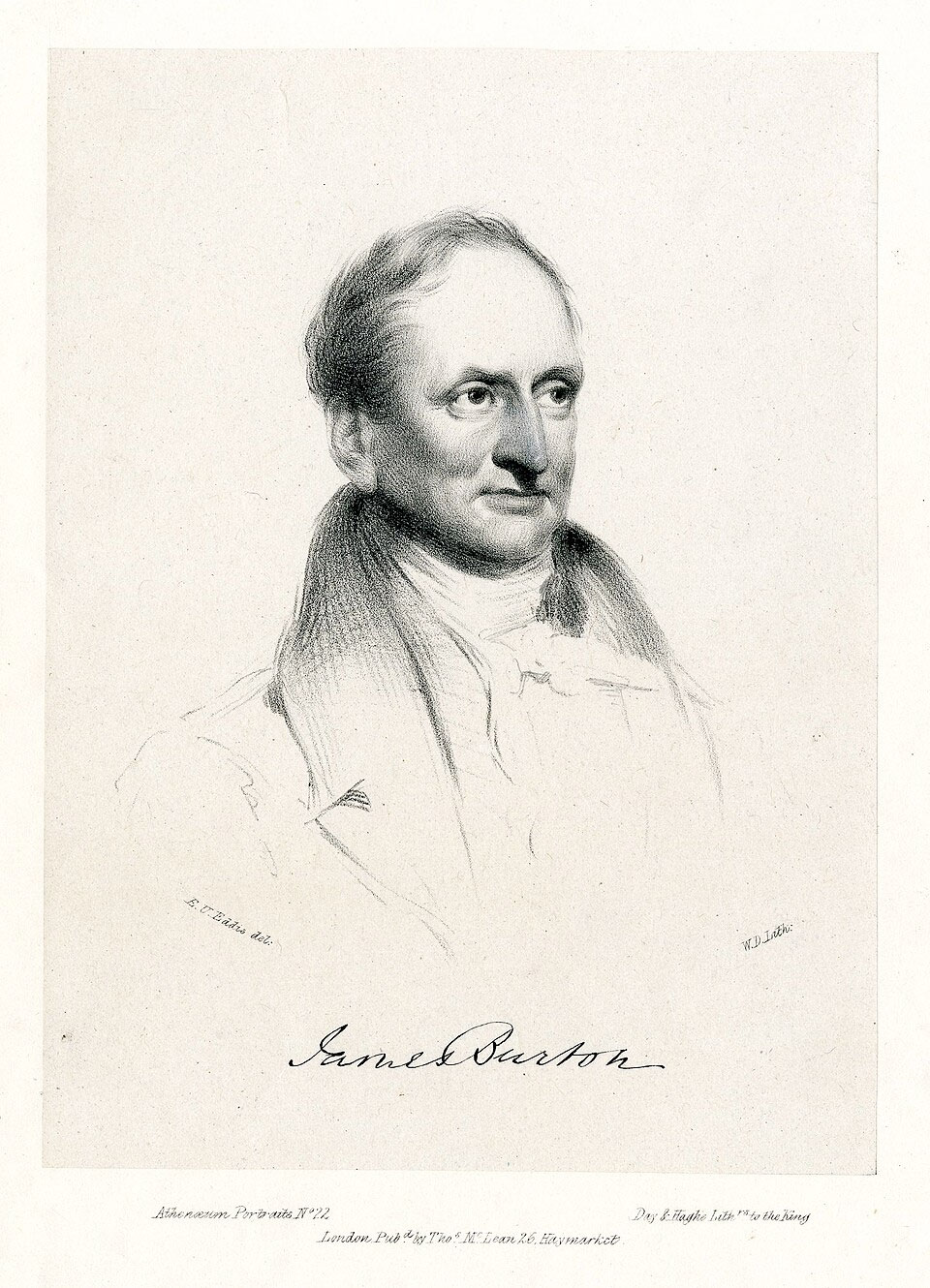
1828 Feb: Work on St Leonards-on-Sea development began.
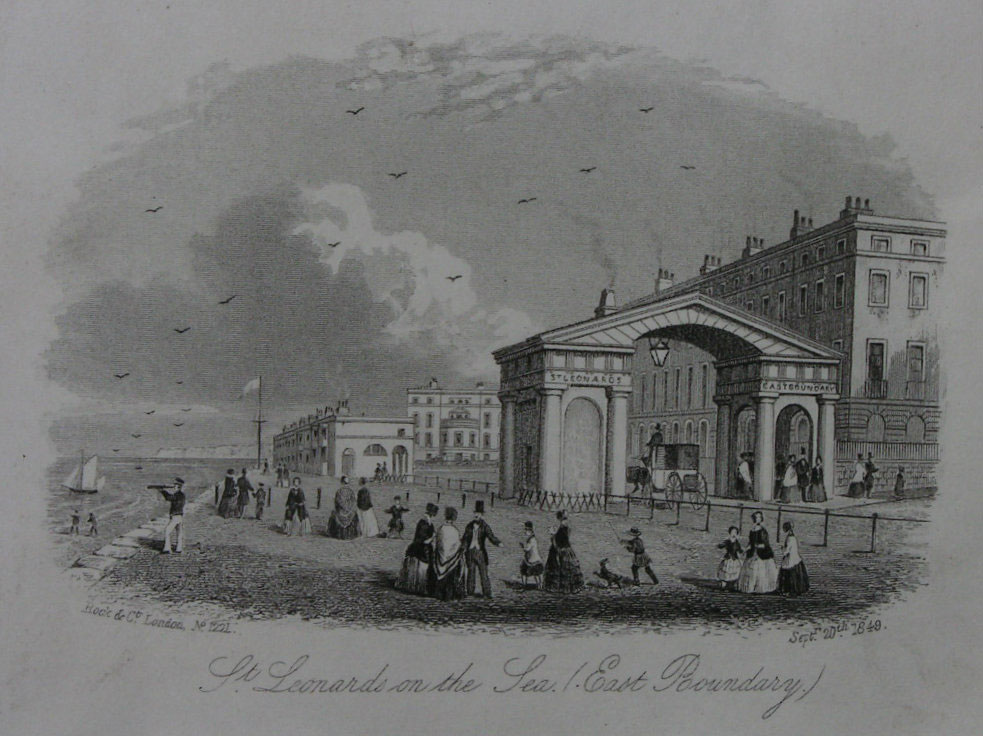
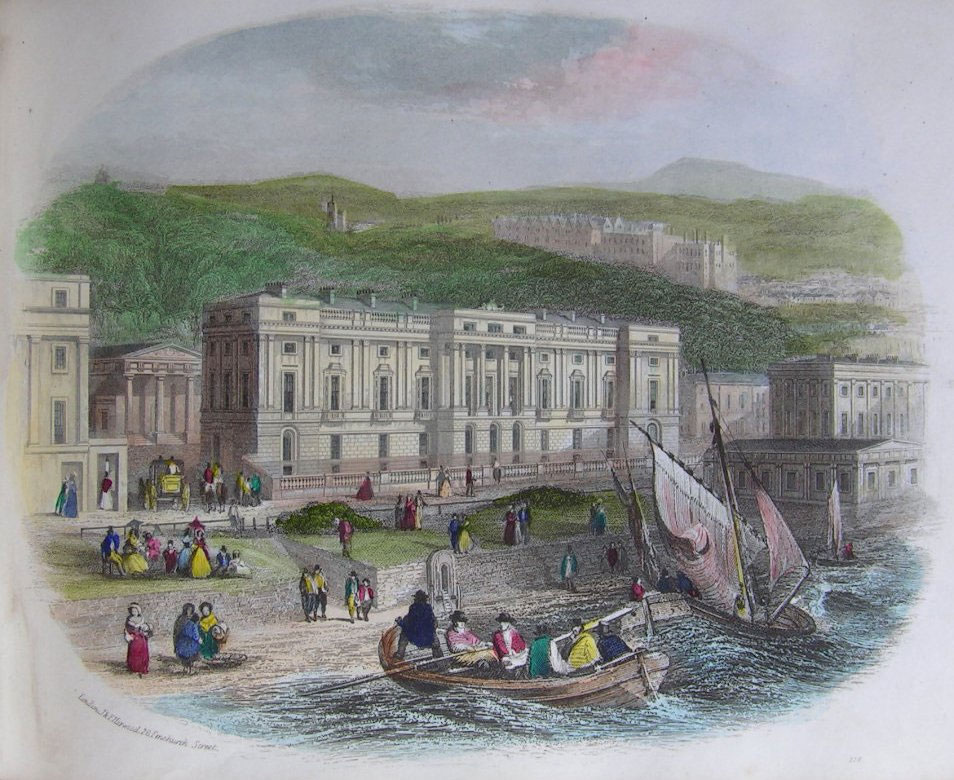
First house built was for James Burton at 57 Marina. Named West Villa (then Victoria Lodge then Crown House). (Listed Grade II in 1951)
East Gate archway added as a boundary.
St Leonards hotel opened on Marina (later renamed Royal Victoria Hotel).
1829 Horse and Groom, 4 Mercatoria, built by glazier Stephen Millsted for the workforce constructing the new town of St Leonards on Sea (it is St Leonards oldest pub).
Harold Hotel opened at 21 Marina.
South Lodge built on Upper Maze Hill.
1830 Assembly Hall built by James Burton.
North Lodge on Upper Maze Hill. Built by James Burton in a Gothic castellated style. Originally built as a tollgate at the Northern entrance to St Leonards. A toll road ran from here and joined up with the main London to Hastings Road.
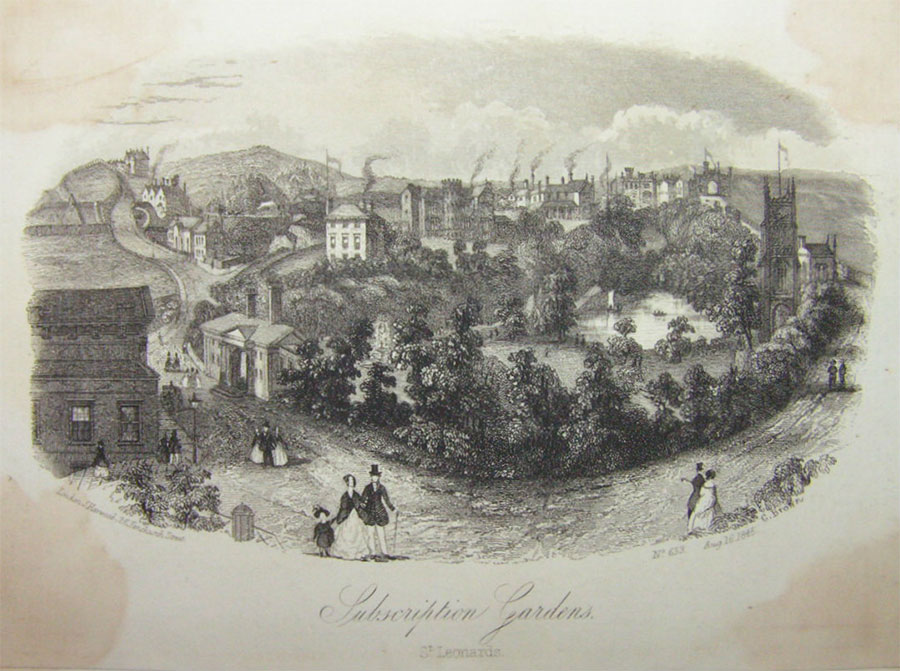
Victoria Gardens (later renamed St Leonards Gardens), opened for subscribers . It was surrounded by Regency Villas. 1845 print:
Clock House built by James Burton. Its four clocks were built by Benjamin Lewis Vulliamy, clockmaker to King George III.
The Castellated Villa on Quarry Hill built by James Burton, overlooking St. Leonards Gardens. Later renamed Gloucester Lodge after Princess Sophia (1773-1844) of Gloucester, a niece of George III, who lived there in 1831.1832 Most of terraces, villas & public buildings completed. St Leonards-on-Sea incorporated as a town by an Act of Parliament. Residential, commercial and hotel development followed.
1833 Warrior’s Gate public house (now St Leonard) opened on London Road. Designed by Walter Inskip.
Verulum Place built on the St Leonards and Hastings boundary (now opposite Hastings pier).
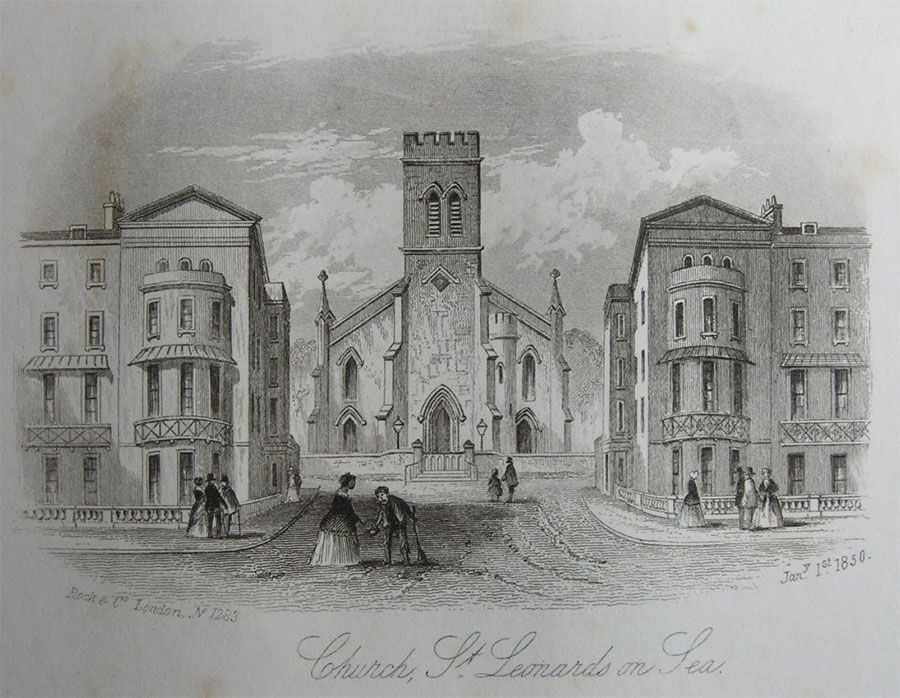
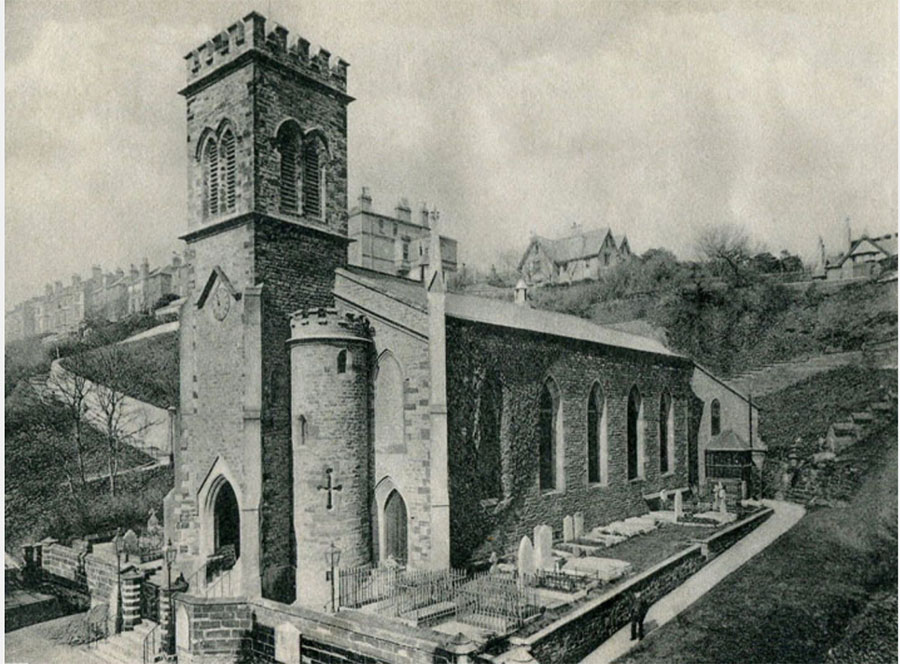
1834 St Leonard's Church opened, set back from the seafront and built into the cliff behind. Designed by James Burton (his only church).
Princess Victoria stayed at Crown House, Marina from November to Jan 1835.
1837 31 March: James Burton died, his wife Elizabeth died two month before him. Both buried in St Leonards Parish church in a pyramid style tomb).
Early Victorian St Leonards
1845 South Eastern Railway granted permission to build a railway from Ashford, Kent to St Leonards.
1846 Hastings & St Leonards railway station opened in the Bopeep area by London, Brighton and South Coast Railway.
1848 Convent of the Holy Child Jesus (a Catholic teaching convent) built on a large plot of land on Magdalen Road.
1850 Decimus Burton (1800-1881) developed Marina westwards in a second phase of building.
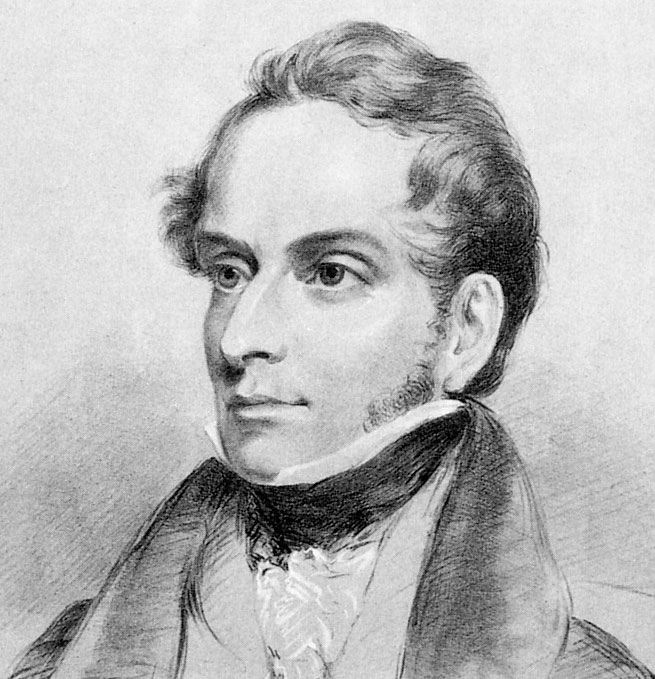
Baston Lodge, 1 Upper Maze Hill, built. Designed by Decimus Burton.
Print of old St. Leonards Church
1851 South Eastern Railway given permission to extend their branch from Tunbridge Wells across the High Weald to Hastings.
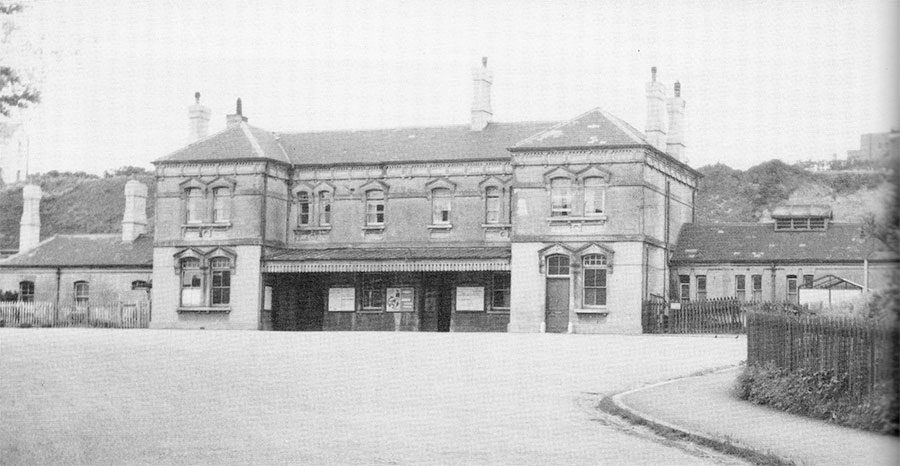
St Leonards railway station opened (later renamed St Leonards Warrior Square), built by The South Eastern Railway.
Eversfield Place constructed on the sea front.
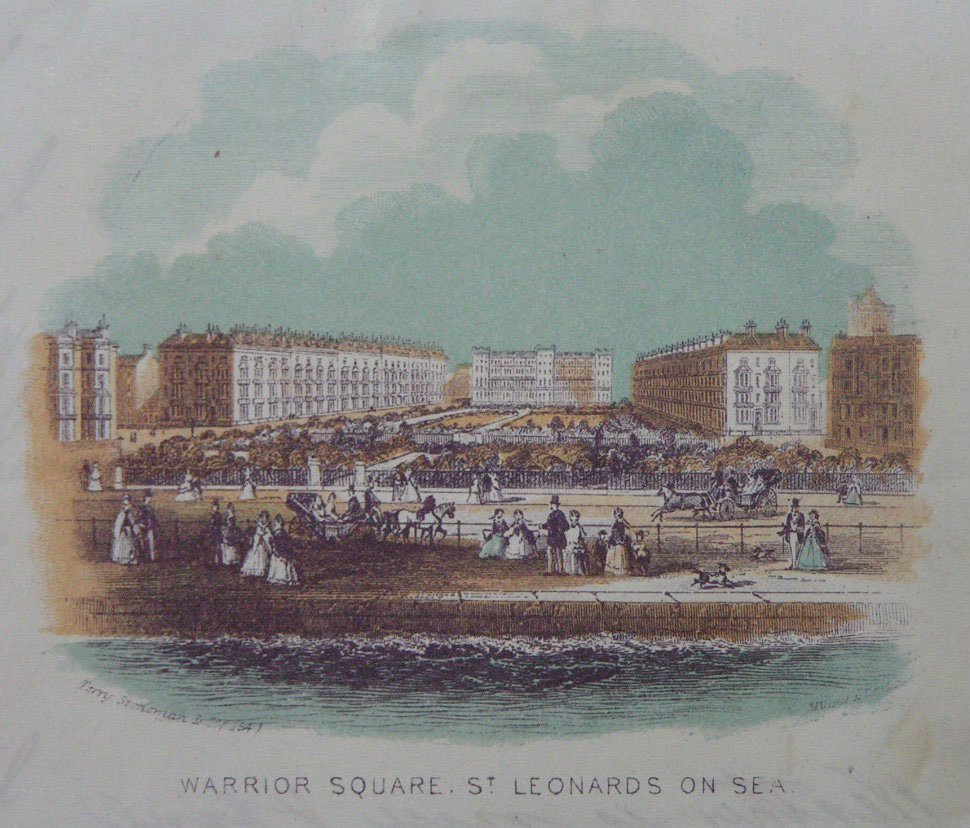
1852 Warrior Square Gardens opened as a subscription garden.
Battle–Bopeep Junction opened.
St Mary Magdalene's Church opened on St Margaret's Road. Designed by Frederick Marrable (1819-1872) in Gothic Revival style.
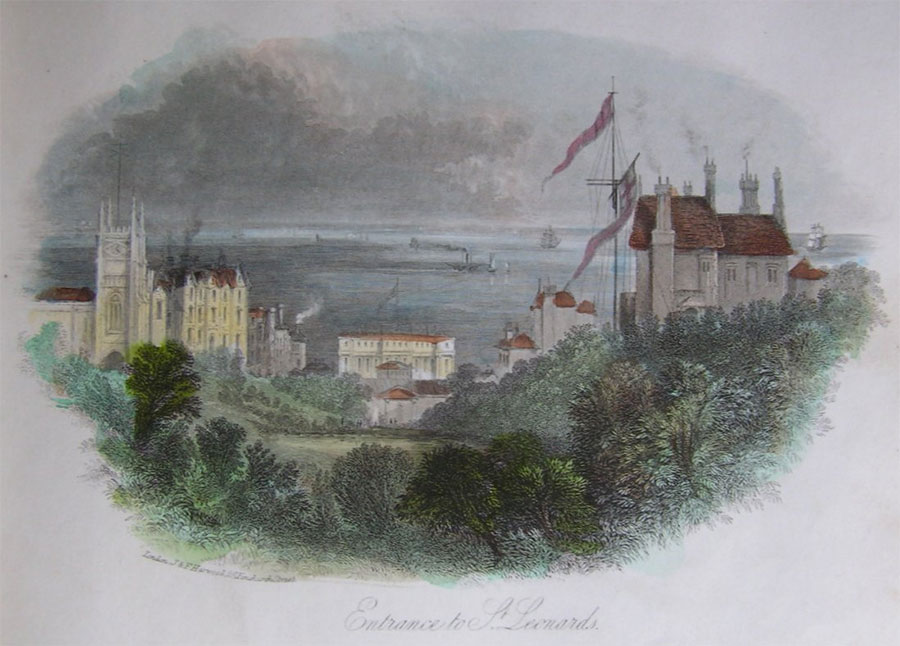
c. 1855 Print of entrance to St Leonards
1859 Hastings and St Leonards Observer newspaper founded.
Mid Victorian St Leonards
1860 Christ Church opened on London Road
1865 St John the Evangelist’s Church opened on Upper Maze Hill
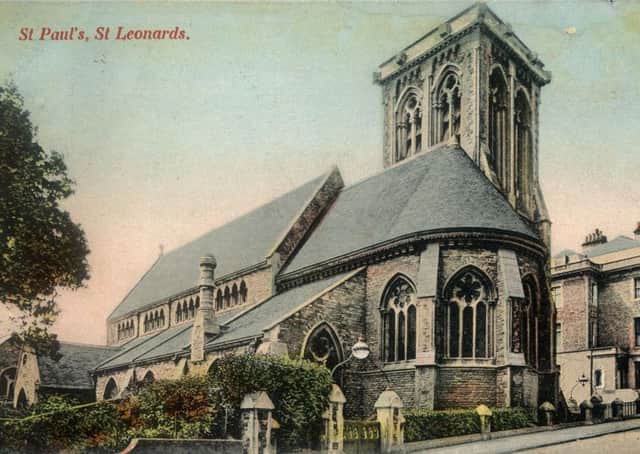
1868 St Paul Church opened on Church Road. Designed by J Newton),
1870 Hastings & St Leonard's railway station renamed St Leonards West Marina.
St Leonards railway station renamed St Leonards Warrior Square.
The railway engineer Thomas Brassey died at the Victoria Hotel. Described as "one of the wealthiest of the self-made Victorians”. His wife established the Brassey School of Science and Art at 13 Claremont (now the Hastings Library) in 1879.
1871 Saint Paul's Schools opened. View from the Bohemia Road.
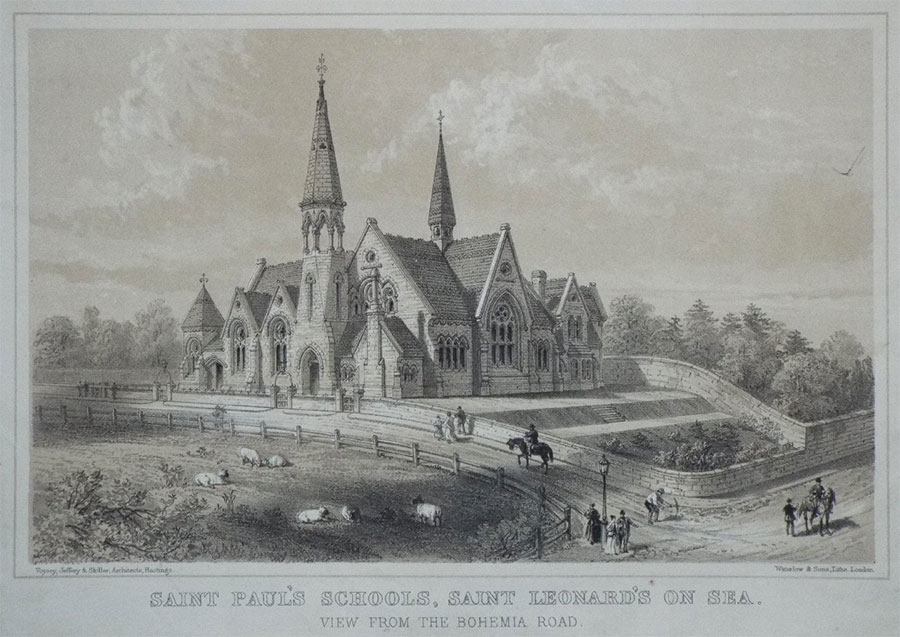
1872 Gensing Gardens bought by the town council.
Tower added to St Mary Magdalene's Church, St Margaret's Road.
1875 St Leonards amalgamated with Hastings.
Christ Church replaced by a larger church designed by Sir Arthur Blomfield (1829-1899) next to it on London Road (original 1860 building still stands to the south of the new church, now serving as a community centre).
1878 West Marina Esplanade opened.
St John the Evangelist’s Church, Upper Maze Hill. destroyed in fire.
1879 St Leonards Gardens bought by the town council.
Late Victorian St Leonards
1882 Gensing Station Road renamed Kings Road.
St Leonard's Baptist Church opened on Chapel Park Road. Designed by Thomas Elworthy (1825-1899).
1883 New St John the Evangelist’s Church, opened on Upper Maze Hill. Designed by Arthur Blomfield (1829-1899)
1885 St Peter's Church opened in Bohemia. Designed by James Brooks (1825–1901) ..
1887 West St Leonards railway station opened.
The writer Sheila Kaye-Smith born at 9 Dane Road.
1889
Church of St Thomas of Canterbury and English Martyrs opened on Magdalen Road. Designed by Charles Alban Buckler (1825–1905).
St Leonards West Marina railway station rebuilt.
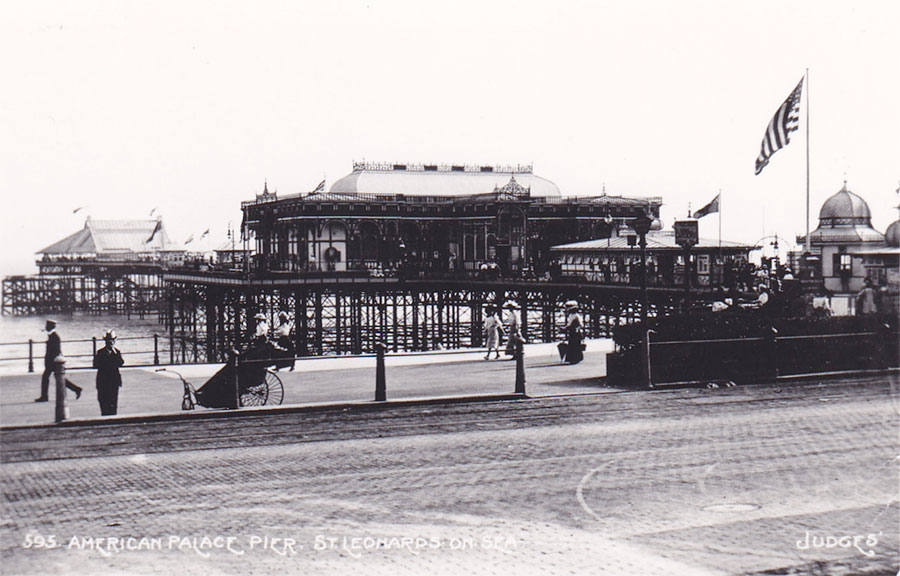
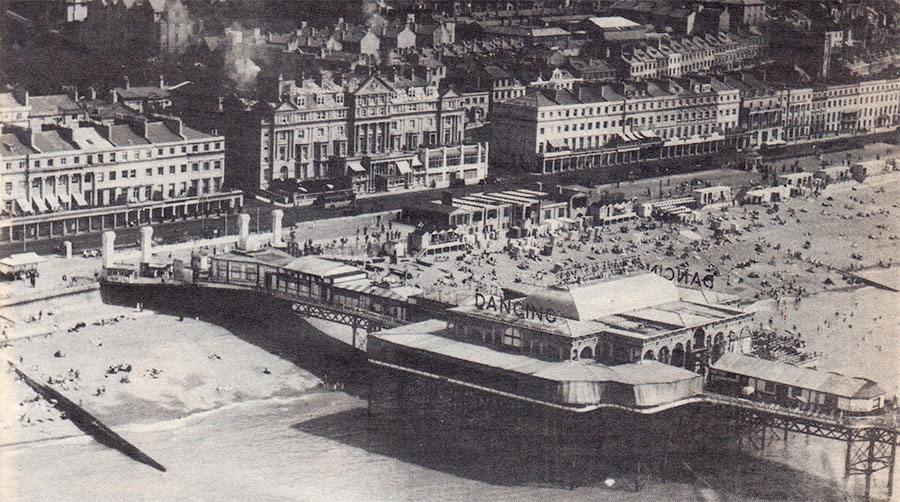
1891 St. Leonards Pier opened (960 feet) oppose Crown House (57 Marina). Designed by Richard St George-Moore (1858-1926). North Pavilion by F H Humphries. More info
1895 St. Leonards Arch demolished by Hastings Council as part of road widening scheme.
Edwardian St Leonards
1902 Statue of Queen Victoria opened by Warrior Square Gardens.
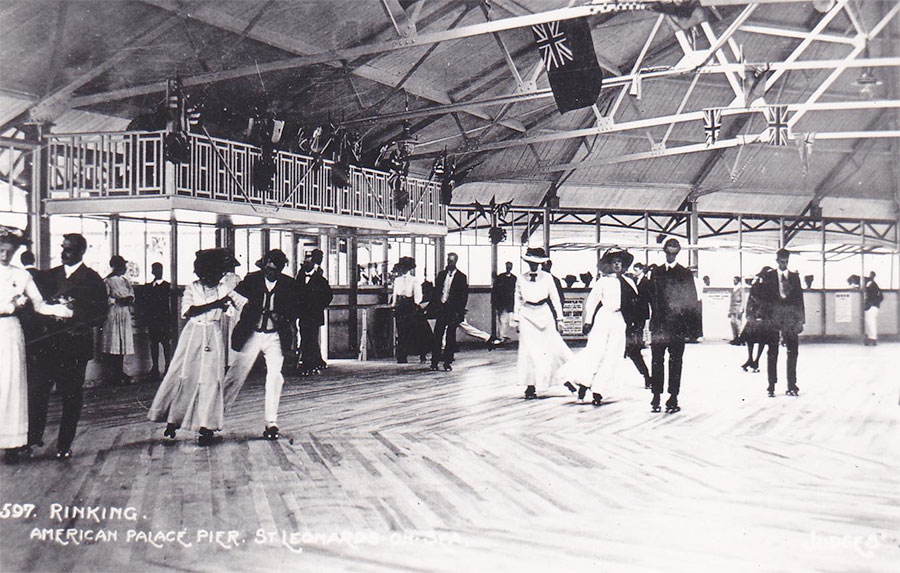
1909 St. Leonards Pier leased by an American syndicate. Refurbished and renamed the American Palace Pier. Roller Skating rink, ornamental kiosks, & electric lighting added.
c. 1910 Photograph of St. Leonards Church.
1913 Kinema Palace opened at 43 Norman Road with 650 seats.
Silverhill Picture House opened at 389 London Road.
April: Suffragettes set fire to the home of Arthur Du Cros MP (who opposed rights for women).
Pathe News film of aftermath.
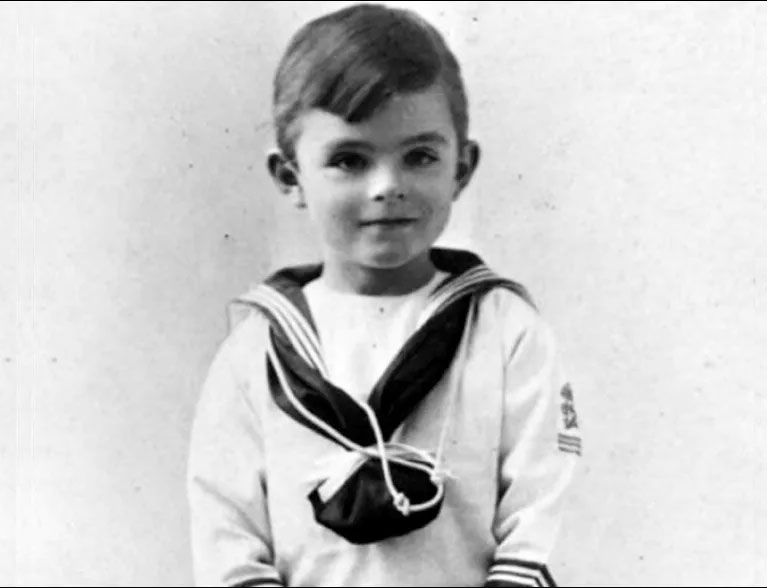
c. 1917 The founder of computer science & Artificial Intelligence Alan Turing (1912-1954) lived at Baston Lodge, Upper Maze Hill, as a child.
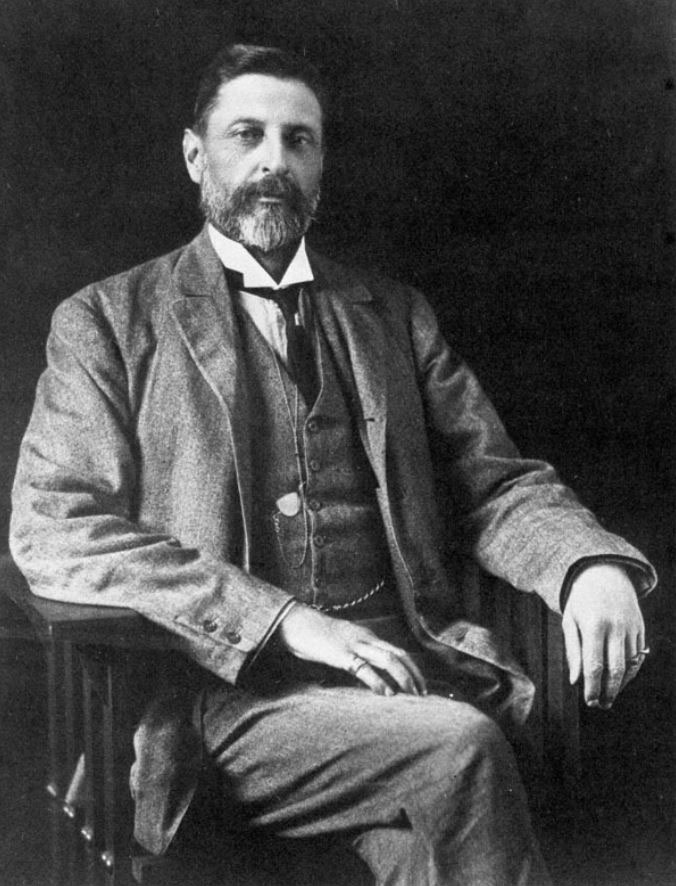
1918 The writer Rider Haggard (1856-1925) lived at North Lodge, Maze Hill until 1923.
Interwar St Leonards
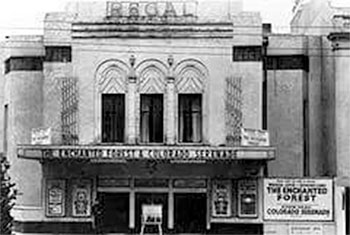
1932 Regal Cinema opened at 87 London Road, TN37 6LW more info
1933 St. Leonards Pier acquired by David and Philip Lannon, pier renovated and improved.
Hastings & St. Leonards Bathing Pool opened at West St Leonards. Designed and built by Borough Engineer Sidney Little (1885-1961) known as the Concrete King. One of the largest open air pools in Europe, it was 330 feet by 90 feet, with a capacity of 800,000 gallons and seating for 2,500 people. It had 33,000 visitors in its first week
June: Duke Ellington Orchestra (1927-1974) appeared at Regal Cinema, 87 London Road.
1934 April: Louis Armstrong (1900-1970?) & Harlem Rhythm Band appeared at Regal Cinema, 87 London Road. New promenade between Hastings Pier and St Leonards Pier added as part of the town's sea defences, with concrete panels containing thousands of coloured glass fragments (now known as Bottle Alley) Project managed by Borough Planning Officer Sidney Little.
St. Leonards Pier reopened as the New Palace Pier with an Art Deco frontage.
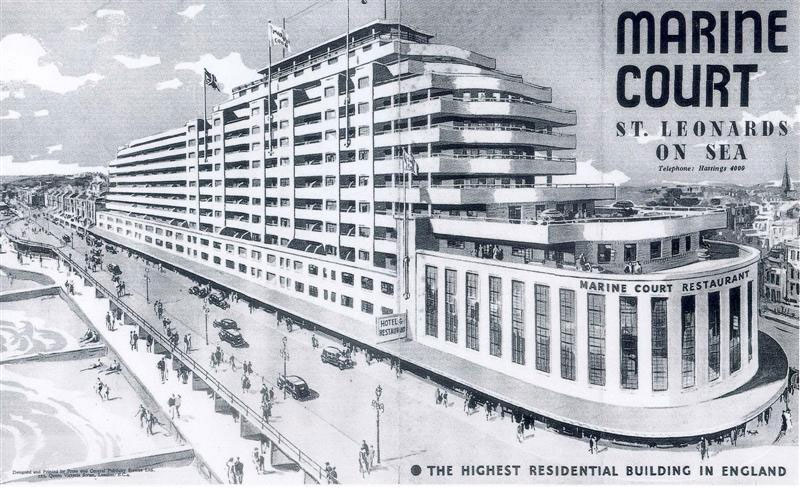
1938 Marine Court opened in St Leonards. Designed by architects Kenneth Dalgleish (1887-1964) and Roger Kendall Pullen (1909-1987). Inspired by Queen Mary liner of 1936, it was the tallest block of flats in the UK at the time.
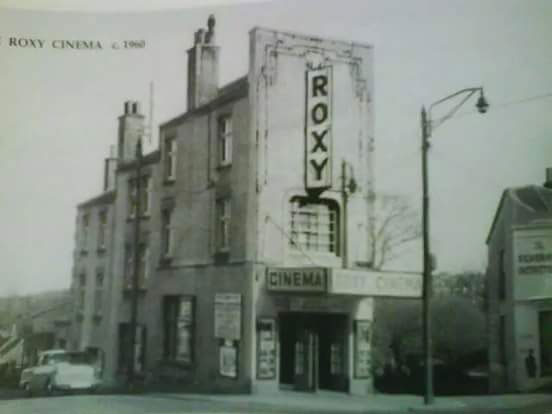
c. 1939 Silverhill Picture House renamed The Roxy.
WW2 St Leonards
1940 St. Leonards Pier suffered bomb damage in the war.
1943 Warrior Gate pub nit by a bomb. 25 died.
St John the Evangelist’s Church, Upper Maze Hilll, suffered bomb damage (tower remained)
1944 St. Leonards Church destroyed by a flying bomb.
Postwar St Leonards
1949 Home movie of Hastings & St. Leonards (7:46)
1951 St. Leonards Pier demolished.
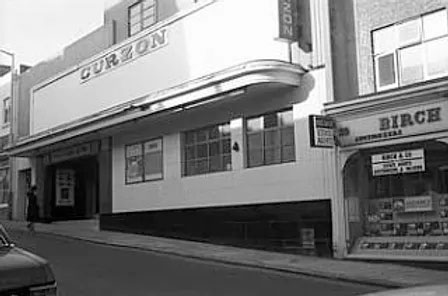
1952 Kinema rebuilt in Streamline Moderne style and re-named Curzon.
1955 New St. Leonards Church opened off Marina. Designed by Adrian Gilbert Scott (1882-1963).
Burton’s St. Leonards by J. Manwaring Baines published by Hastings Museum.
1956 Regal Cinema, 87 London Road, closed down.
1957 St John the Evangelist’s Church, Upper Maze Hilll, restored by Harry Stuart Goodhart- Rendel (1887-1959).
1959 Hastings & St. Leonards Bathing Pool closed.
1960 The Roxy cinema closed.
1961 South tower added to St. Leonard’s Church.
1964 St Paul Church, Church Road, demolished.More info
Witch Doctor Club opened at Marine Court, St Leonards
Nov: Manish Boys, featuring David Jones (later Bowie), played Witch Doctor Club,.
1965 The Who (1964-1982) filmed at Witch Doctor Club for A Whole Scene Going (BBC TV 2:09).
1966 Sept: David Bowie & Buzz played Witch Doctor Club.
1967 St Leonards West Marina railway station closed and demolished.
1969 Burtons’ St Leonards designated as a Conservation Area by the local authority.
1970 Burtons’ St Leonard Society officially designated.
1973 Regal Cinema, 87 London Road. Later replaced by Ocean House.
1976 Convent of the Holy Child Jesus closed on Magdalen Road.

1977 Curzon cinema closed on Norman Road.
1992 Marine Court listed Grade II.
1993 Hastings & St Leonards Bathing Pool demolished.
2000 Gentrification of St Leonards began.
2012 Warrior’s Gate pub on London Road renamed St Leonard.
2013 Kings Road street market started as part of the St Leonards Festival.
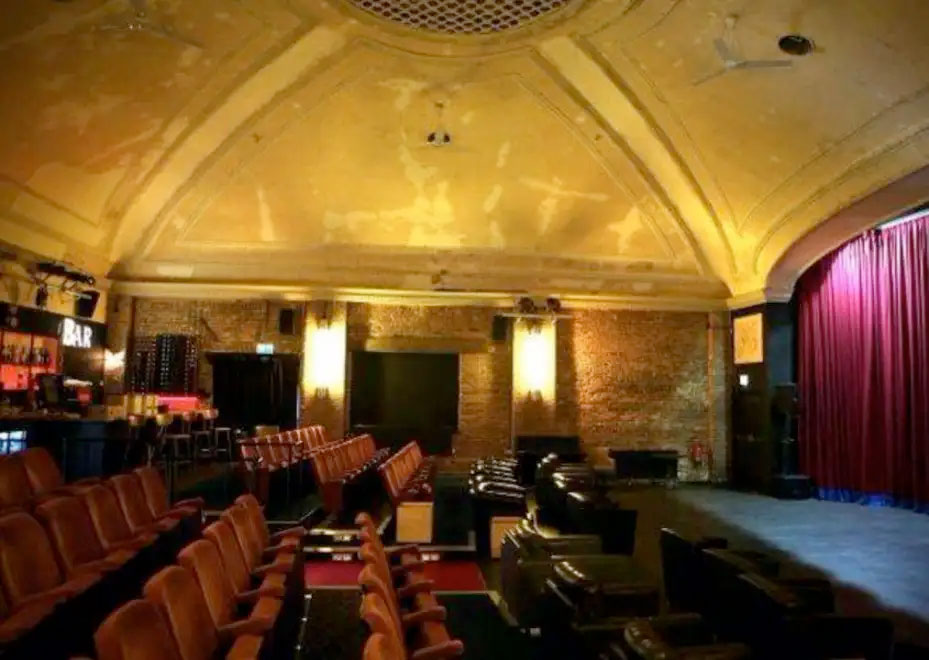
2015 Old Kinema/Curzon cinema at 43 Norman Road restored as Kino-Teatr with seating for 100.
2018 St. Leonard’s Church closed for worship due to structural problems.
Booklist:
Burton’s St. Leonards - J Manwaring Baines (1956 Hastings Museum)
A Brief Story of Hastings and St Leonards - W. H. Dyer (1958)
The Work of James and Decimus Burton of St. Leonards - Nigel Mark Wade (1988 booklet)
Hastings & St Leonards-on-Sea - Gavin Haines (1997 Sutton Publishing)
Hastings & St Leonards Through Time - Nathan Dylan Goodwin (2010 Amberley Publishing)
Unseen Hastings and St Leonards - Frederick Crouch (2016 The History Press)
Online:
Burton St Leonards Society (est: 1970)
James and Decimus Burton’s Regency New Town, 1827–37 by Elizabeth Nathaniels (Georgian Group Journal 2012)
A Bloomsbury By the Sea by Katy Rice (The Argus 2012)